Going viral is often seen as a turning point where life changes almost overnight. A single piece of content begins circulating widely, and the results come quickly—audience numbers increase, brands start showing interest, and opportunities begin to appear in unexpected ways. What is less visible is how that level of attention continues to affect day-to-day life once it becomes sustained.
Jools Lebron’s rise, associated with “very demure, very mindful,” offers a more realistic perspective on viral fame.
In 2024, her TikTok video gained strong traction across platforms. The phrase spread rapidly, reaching 8.8 million views and attracting attention from people like Tina Knowles. What started as casual videos filmed during work breaks soon became a defining moment in her online presence.
Lebron reflected on it, saying, “TikTok changed my life… one day, I was playing cashier and making videos on my break and now, I’m flying across the country to host events.”
View this post on Instagram
The excitement was immediate. Opportunities expanded quickly, placing her alongside creators such as Keith Lee, KevOnStage, and Jackie Aina—names that have successfully turned online attention into long-term careers.
However, that rapid rise also brought a level of pressure that is often left out of the conversation.
The Weight Behind the Spotlight
From the outside, viral success is usually celebrated. Internally, it can feel far more complicated. Lebron spoke openly about her experience, saying, “Going viral ruined my life… it led me to fall down a slope of insobriety that ruined my life.” Her words reveal a side of internet fame that is rarely discussed.
Her experience reflects a broader pattern: success doesn’t pause real-life challenges—it often intensifies them. In a preview of her interview with Tamron Hall, she questioned her own feelings, saying, “I am happy it happened. But why am I not happy? All my dreams are coming true.”
That contrast between outward success and internal strain is something many creators experience quietly.
The Pressure to Stay Relevant
Virality doesn’t just bring attention—it creates expectations. Once a creator reaches millions of viewers, there is often pressure to maintain that level.
Unlike traditional careers, social media success depends heavily on public response. Every post invites feedback, and not all of it is positive. Over time, that constant exposure can take a toll.
Creators like Kai Cenat and Monet McMichael have spoken openly about the emotional strain that comes with large audiences. The fear of becoming a “one-hit wonder” adds pressure to keep producing content that matches or surpasses that first viral moment.
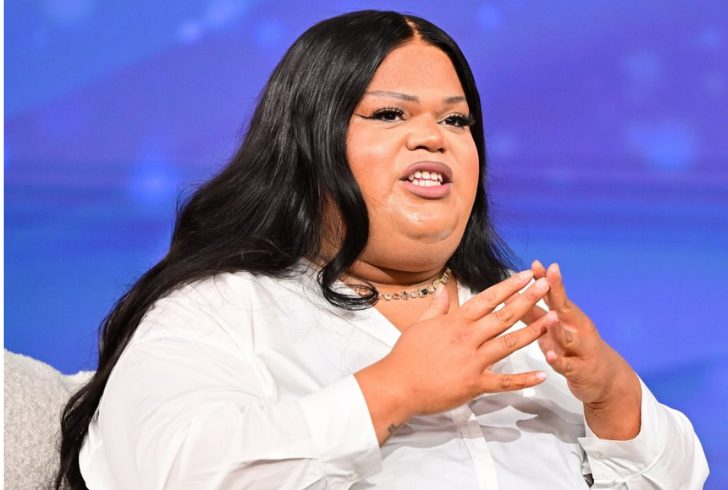
Instagram | joolieannie | For LeBron, viral success creates a tension between professional growth and personal well-being.
The effects don’t stay online. Some creators experience issues at work after going viral, including increased scrutiny or even job loss.
At the same time, they experience visibility similar to public figures, but without structured support systems. Many are left to navigate that pressure on their own.
The Dual Reality of Viral Success
Lebron’s story reflects the dual nature of internet fame. It brings opportunity, but also emotional strain.
That contrast is rarely visible online, where only the highlights are shared.
Her experience adds depth to the conversation around viral success, showing that visibility comes with both rewards and challenges.