
Financial guidance now operates in a space where technology and human intuition overlap. Automation and AI promise speed and precision, but they also raise an ongoing question: can these tools deliver meaningful support without diluting the trust and personal understanding people expect from an advisor?
The FCA has introduced a vision for a market that makes multiple levels of financial help available—full advice, simplified advice, general guidance, and an emerging layer called targeted support. This structure is meant to help people make confident decisions, especially during financial turning points when they may be more vulnerable to missteps.
Many individuals arrive at these moments without a clear plan. Among those over 45, a large portion say they’re unsure about how to convert their pension into an income stream. In the FCA’s consultation on targeted support, 75 percent in this group either didn’t have a decumulation strategy or didn’t realize they needed to make one.
What Targeted Support Is Designed to Do
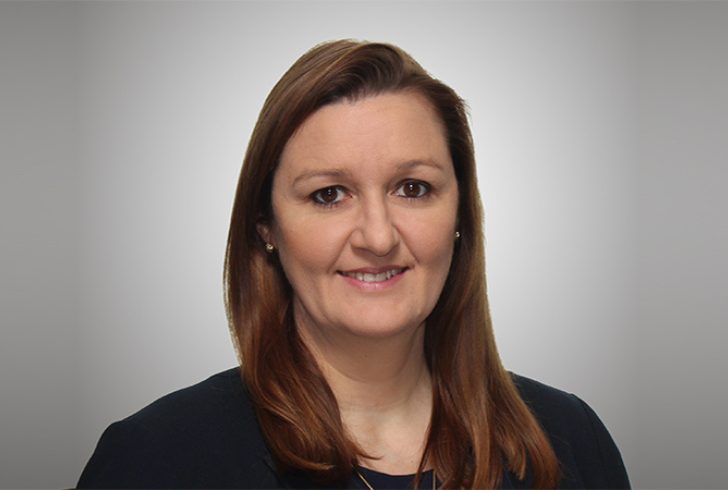
quiltercheviot.com | Caroline Simmons explains that targeted support works along a spectrum, guiding consumers toward full financial advice when needed.
Targeted support gives firms a structured way to spot shared patterns among customers with similar financial challenges and offer suggestions tailored to those situations. Common examples include:
- Drawing down pension savings faster than intended
- Contributing too little toward retirement goals
- Leaving excess cash in accounts that produce minimal or no growth
Caroline Simmons, chief investment officer at Quilter Cheviot, describes targeted support as a continuum that ranges from general guidance to full financial advice. She notes that it may give underserved consumers a pathway into structured advice as their needs grow more complex.
At the same time, she emphasizes that high-net-worth clients and individuals with intricate circumstances will still require tailored strategies, particularly in areas such as investment structure and drawdown planning.
AI as Support, Not a Stand-In
Across the advice sector, new technology is being folded into everyday processes, but the central dilemma hasn’t changed: financial guidance is still deeply personal work. Mark Locke, managing director of communications at the Lang Cat, describes technology as something that should support the process—not replace the human core of it.
He sees the FCA’s emphasis on digital tools and targeted support as a positive step, particularly because these systems can reach people who might never speak with an adviser directly. Digital platforms can gather essential details, run projections, flag areas of concern, and identify potential opportunities.
Still, Locke emphasizes that data can’t tell the whole story. Two clients may show similar numbers on paper, yet their lives and priorities can be completely different. One may be covering education costs for a child; the other may be planning to retire earlier than originally planned. Algorithms don’t weigh emotional complexity or competing responsibilities—a role that falls firmly to advisers.
How AI Can Strengthen Human Roles

Freepik | By managing reports and notes, AI gives advisers time for reflection and mentoring.
AI already assists with tasks such as preparing suitability reports, reviewing records, and organizing client notes. These efficiencies give advisers additional time—time that can be used for deeper discussions, careful reflection, and mentoring within their firms. Locke believes this shift works only when advisers use those hours to strengthen client relationships rather than replace them.
Skills like listening, interpreting life-driven priorities, and providing calm guidance during uncertainty remain distinctly human. If digital tools begin to overshadow these abilities, the profession risks losing the qualities that clients rely on most.
A Clearer Path Forward
Blending automation with a human perspective does not require choosing one over the other. Technology works best when it supports thoughtful, experience-driven guidance. Targeted support, AI tools, and streamlined processes can help more people access financial insight, but trust and empathy continue to shape the conversations that matter.
Advisers who balance both sides—precision from technology and understanding from human connection—set the foundation for decisions that reflect real lives, not just data.