Dolly Parton’s wealth was never built on music alone. Long before her fortune reached an estimated $450 million, the singer and songwriter was putting money into farms, property, livestock, garden centers, hardware stores, and other businesses.
Her approach showed that owning assets could matter just as much as earning money from a hit record.
In a 1984 interview with Interview magazine, Parton, then 38, revealed that her outside investments were already bringing in more money than her record royalties.
She said, “I make more money on my outside heartfelt investments like farm equipment, garden centers, than I do even from record royalties.” She also mentioned investing in “farms, cows, hardware stores, hogs and macadamia trees.”
That early focus on ownership later became a major part of her financial success.
Publishing Came First
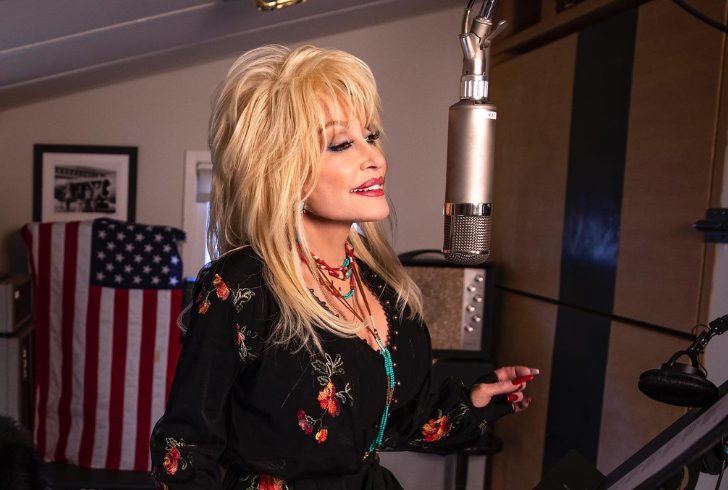
Instagram | dollyparton | Dolly Parton’s most valued investment was her publishing company, securing revenues from both writing and ownership.
Parton identified her publishing company as the investment she was most proud of during the same 1984 interview. She understood that writing a song and owning its publishing rights could create two separate income streams.
Explaining the idea, she said, “You not only write songs you get your royalties from, but you own your publishing — you have it all.”
She used the 1984 movie “Rhinestone” as an example. Parton had written 20 songs for the film and could earn money from their use while also retaining the publishing rights.
That decision became even more valuable through her songwriting catalog, which includes more than 3,000 songs. Forbes estimated the catalog at about $120 million in 2025. Among its best-known works are “9 to 5” and “I Will Always Love You.”
The Song She Refused to Give Away
“I Will Always Love You” became one of the clearest examples of why Parton guarded her copyrights. Whitney Houston recorded the song for the 1992 soundtrack to “The Bodyguard.” Houston’s version spent 14 weeks at No. 1 on the Billboard Hot 100 and became a Grammy-winning hit.
Parton remained the sole songwriter and publisher. That meant she continued to receive royalties as the song generated income through sales and later streaming.
Years earlier, Elvis Presley’s management had reportedly asked Parton to give up part of the publishing rights as a condition for Presley recording the song. Parton refused, even though she wanted to hear Presley perform it.
In a 2021 interview with W Magazine, she recalled, “I wanted to hear Elvis sing it, and it broke my heart — I cried all night.” Still, she kept the copyright, adding, “You have to take care of your business! These are my songs — they're like my children.”
Dollywood Investment
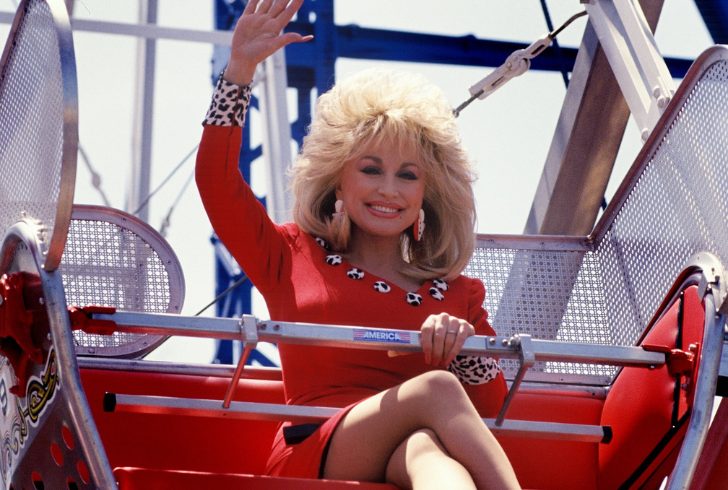
Instagram | dollyparton | Parton’s half-ownership of Tennessee’s Dollywood, founded in 1986, is now valued at approximately $165 million.
Parton made another major investment in 1986 when she became involved with a theme park in Tennessee’s Smoky Mountain foothills. The property was revived and renamed Dollywood.
Over time, Dollywood became a much larger business. Forbes reported that Parton owned half of the Dollywood Company and valued her stake in the theme park at about $165 million. The park recorded 4 million visitors in 2025.
The Dollywood Company also expanded beyond the theme park. Its operations came to include a water park, several resort hotels, and HeartSong Lodge & Resort. The 302-room resort opened in November 2023.
A Portfolio Built on Ownership
Parton’s business strategy had a clear thread. She did not rely on one source of income. Instead, she combined intellectual property, real estate, operating businesses, and entertainment assets.
She also kept decision-making authority while relying on professionals for specialized advice. In 1984, she explained, “I have good management and good accountants, but I go outside of all of them to make my own decisions.”
Her philosophy was also tied to personal satisfaction. Parton said, “I don't have to work; I love to work … What's a million dollars or three or 10 or 15 if you're not happy doing what you're doing?”
Parton died Aug. 25, at 80, after a brief battle with cancer, leaving an estimated $450 million fortune, according to Forbes. Her financial story began decades earlier, when she was already thinking beyond record sales.
From farm equipment and hogs to publishing rights and Dollywood, Parton built wealth by retaining ownership and spreading her investments across different industries. Her career shows how creative work can become a lasting financial asset when the underlying rights and businesses remain under the creator’s control.